Cold Morning Battery Problems in Albuquerque: Quick Fixes
Table of Contents
- Why Cold Mornings Trigger Car Battery Problems
- What Happens Overnight Inside the Battery
- Early Warning Signs Before a No Start Situation
- What to Do When Your Car Struggles to Start in the Morning
- Why Driving After a Jump Does Not Always Fix the Problem
- How Cold Weather Speeds Up Battery Aging
- When the Problem Is Not the Battery Alone
- Preventing Cold Morning Battery Problems
- When Replacement Is the Best Option
- Long Term Impact of Ignoring Battery Issues
- Final Thoughts on Cold Morning Battery Problems
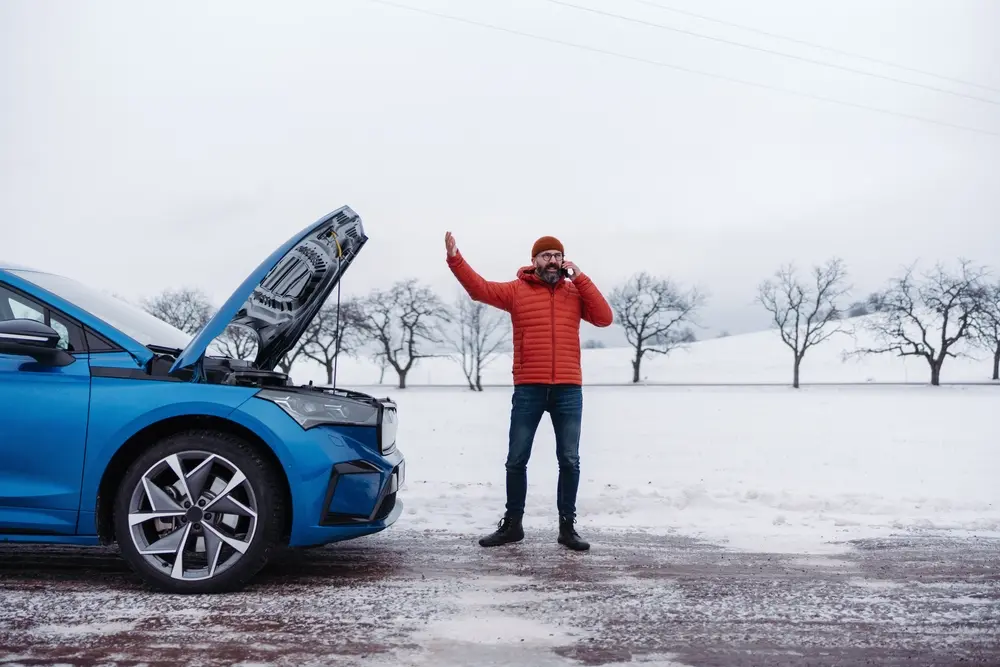
Cold mornings have a way of exposing car battery problems that stay hidden during warmer months. In Albuquerque, where overnight temperatures can drop sharply even when daytime weather feels mild, many drivers wake up to slow cranking, warning lights, or a car that will not start at all. These issues often feel sudden, but in most cases they have been building quietly for weeks or months.
Understanding why cold weather affects your battery, what signs to watch for, and how to respond quickly can save time, stress, and unexpected expenses. This guide walks through the issue step by step, starting with what happens inside your battery overnight and ending with long term habits that help prevent repeat problems.
Why Cold Mornings Trigger Car Battery Problems
A car battery relies on a chemical reaction to generate electrical power. Cold temperatures slow that reaction down. When the battery is cold, it produces less power at the exact moment your engine needs more energy to start.
Engines require extra effort to turn over in cold weather because oil thickens and internal components create more resistance. The battery is asked to deliver a higher surge of power while operating at reduced efficiency. If the battery is already weakened, this is often when failure shows up.
In Albuquerque, this effect is amplified by temperature swings. A battery that performs fine during a warm afternoon may struggle the next morning after sitting in cold air for several hours. These fluctuations stress the battery over time and accelerate aging.
What Happens Overnight Inside the Battery
When a car sits overnight, the battery is still powering small systems such as the clock, security system, and onboard computers. This is normal, but if the battery is nearing the end of its life, even minor overnight drain can lower its charge enough to cause starting issues by morning.
Cold air further reduces the battery ability to hold and deliver that charge. By morning, voltage may drop below the level required to start the engine, even if the battery seemed fine the day before.
This is why many drivers experience car battery problems first thing in the morning rather than later in the day.
Early Warning Signs Before a No Start Situation
Battery failure rarely happens without warning. The signs are often subtle at first and easy to dismiss.
Slower Engine Crank
One of the earliest indicators is a sluggish engine crank when turning the key or pressing the start button. The engine may still start, but it sounds slower or labored compared to normal.
Dimming Lights or Flickering Electronics
Interior lights, dashboard displays, or headlights may dim briefly during startup. In some cases, screens may reset or flicker when the engine turns over.
Intermittent Starting Issues
The car may start fine one morning and struggle the next. These inconsistent symptoms are common when cold weather exposes declining battery health.
Battery Warning Light
A battery or charging system warning light can appear briefly or stay on after startup. While this can also indicate alternator issues, it should never be ignored.
What to Do When Your Car Struggles to Start in the Morning
When cold morning battery problems appear, quick action can sometimes get you moving and prevent further damage.
Turn Off Electrical Loads
Before starting the car, turn off headlights, climate controls, heated seats, and other accessories. This reduces the load on the battery during startup.
Give the Battery a Moment
Turning the key to the on position for a few seconds before starting can allow systems to initialize and slightly stabilize voltage. This does not fix a weak battery, but it can help in borderline situations.
Avoid Repeated Start Attempts
Repeated cranking can drain the battery further and increase the risk of complete failure. If the engine does not start after a couple of attempts, stop and reassess.
Jump Starting as a Temporary Solution
A jump start can get the engine running, but it does not solve the underlying issue. If the battery needed a jump on a cold morning, it is likely nearing the end of its usable life.
Why Driving After a Jump Does Not Always Fix the Problem
Many drivers assume that once the car is running, the alternator will fully recharge the battery. In reality, short drives often do not provide enough time to restore a weak battery, especially in cold conditions.
If the battery is already degraded, it may not accept or hold a full charge. The result is a repeated cycle of morning failures, even after driving the vehicle the day before.
This pattern is one of the most common ongoing car battery problems during colder months.
How Cold Weather Speeds Up Battery Aging
Battery lifespan is affected by both heat and cold. While extreme heat can damage internal components, repeated cold starts place heavy demand on the battery plates.
Each cold start requires a high surge of power. Over time, this strain reduces the battery ability to deliver current. In areas with frequent overnight temperature drops, batteries often fail earlier than expected.
Age is a major factor as well. Most car batteries begin to weaken after three to five years, and cold mornings are often when that weakness becomes noticeable.
When the Problem Is Not the Battery Alone
Not every cold start issue is caused solely by the battery. Other systems can contribute or create similar symptoms.
Corroded Battery Terminals
Corrosion on battery terminals increases resistance and reduces power flow. Cold temperatures make this resistance more noticeable. Even a healthy battery can struggle if connections are dirty or loose.
Alternator Performance Issues
If the alternator is not charging the battery properly, the battery may slowly discharge over time. Cold mornings reveal this problem because the battery starts the day with less reserve power.
Starter Motor Wear
A worn starter motor requires more energy to turn the engine. This extra demand can make a borderline battery appear worse than it actually is.
Preventing Cold Morning Battery Problems
Prevention is often simpler and less expensive than dealing with repeated no start situations.
Regular battery testing is one of the most effective steps. Testing can identify declining capacity before failure occurs. Cleaning battery terminals and checking cable tightness ensures efficient power delivery.
Driving habits also matter. Frequent short trips may not allow the battery to fully recharge. Occasional longer drives help maintain charge levels.
Parking in a garage or sheltered area reduces overnight temperature exposure and slows battery drain. Even a small difference in temperature can improve morning performance.
When Replacement Is the Best Option
If a battery consistently struggles in cold mornings, replacement is usually the most reliable solution. Waiting until complete failure often leads to inconvenient breakdowns and additional stress on the charging system.
A new battery restores starting reliability and reduces strain on the starter and alternator. It also provides peace of mind during colder months when morning starts should be predictable.
Choosing the correct battery type and capacity matters, especially in areas with temperature fluctuations. A properly matched battery performs better and lasts longer.
Long Term Impact of Ignoring Battery Issues
Ignoring early signs of battery trouble can lead to more than just starting problems. Repeated low voltage events can affect electronic modules and sensors. Sudden failure can leave you stranded at inconvenient times.
Addressing car battery problems early protects the entire electrical system and helps maintain overall vehicle reliability.
Final Thoughts on Cold Morning Battery Problems
Cold mornings in Albuquerque often bring hidden battery issues to the surface. What feels like a sudden failure is usually the result of gradual wear combined with temperature stress.
Understanding how cold affects your battery, recognizing early warning signs, and responding quickly can prevent disruptions and costly repairs. With proper attention and timely action, cold weather does not have to mean unreliable starts.
Staying ahead of battery health ensures that your vehicle is ready every morning, regardless of how low the temperature drops overnight.
Get Your Battery Checked at Auto Solution
When cold morning starting issues keep coming back, it is usually a sign that the battery or charging system needs attention. Auto Solution in Albuquerque offers battery testing and electrical system checks to help identify problems before they turn into a no start situation.
A quick inspection can determine whether the issue is battery age, weak charging, or connection related. Addressing it early helps prevent unexpected breakdowns and protects other electrical components that rely on stable voltage.
If your vehicle has been slow to start on cold mornings or needed a jump recently, Auto Solution can help diagnose the cause and get your car starting reliably again.