Car Checklist Before Road Trip for Used Vehicles
Table of Contents
- Why a Used Car Needs Extra Attention Before a Road Trip
- One to Two Weeks Before the Trip
- Several Days Before Departure
- The Day Before the Trip
- During the Trip
- Why Skipping Preparation Often Leads to Bigger Problems
- How Preparation Improves Safety and Peace of Mind
- Final Thoughts on Holiday Road Trip Preparation
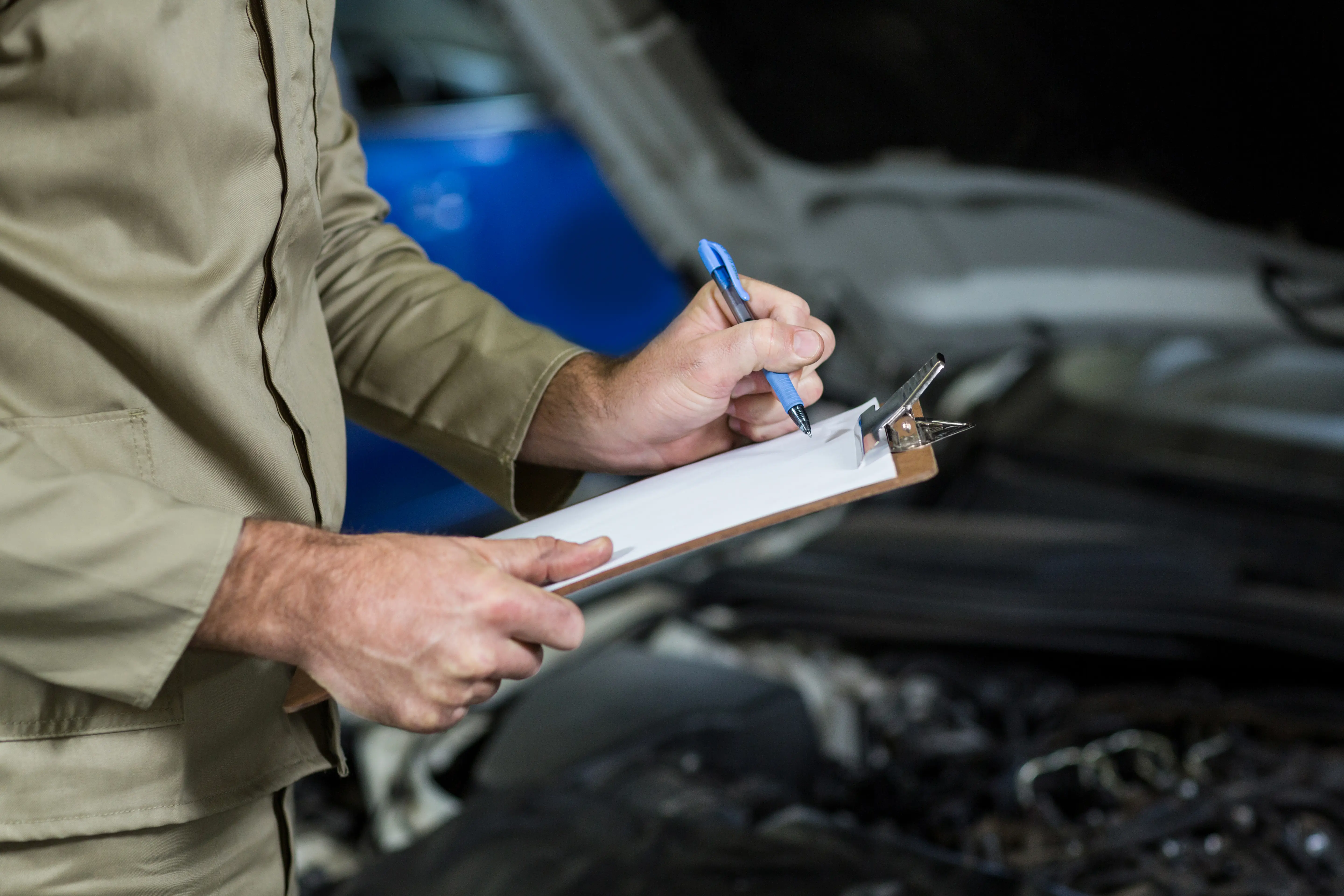
Holiday road trips are often planned around time off, family gatherings, and long stretches of highway driving. When the vehicle involved is a used car, preparation becomes even more important. Small mechanical issues that rarely show up during daily driving can turn into serious problems once the miles add up. A thoughtful inspection before leaving can help avoid breakdowns, delays, and safety risks.
This guide walks through a complete car checklist before road trip travel, organized chronologically so nothing important gets overlooked. Each section focuses on what to check, why it matters, and how it affects long distance driving reliability.
Why a Used Car Needs Extra Attention Before a Road Trip
Used cars often have more wear on critical components. Even well maintained vehicles can have parts nearing the end of their service life. Long highway drives place sustained stress on systems that may only see short trips during normal use.
Holiday travel also means heavier traffic, fewer service options in remote areas, and tighter schedules. Preparing the car ahead of time reduces the chances of dealing with unexpected issues far from home.
One to Two Weeks Before the Trip
Engine Oil and Fluids
Checking engine oil is one of the most important early steps. Oil should be at the proper level and relatively clean. Dark oil is normal, but gritty texture or low levels can signal the need for a change.
Coolant should be at the correct level and free of debris. Low coolant increases the risk of overheating during long drives, especially when climbing hills or sitting in traffic.
Brake fluid, transmission fluid if accessible, and power steering fluid should also be checked. Any fluid that appears unusually low or discolored deserves further inspection.
Tires and Spare
Tires affect safety, fuel efficiency, and ride comfort. Inspect tread depth to ensure adequate traction, especially if the trip includes winter weather or rain. Uneven wear can indicate alignment or suspension issues.
Check tire pressure when the tires are cold. Proper inflation helps prevent blowouts and improves handling on long drives.
The spare tire is often overlooked. Make sure it is properly inflated and that the jack and lug wrench are present and functional.
Battery Condition
Battery problems are a common cause of road trip disruptions. A battery that starts the car reliably during daily use may struggle after extended stops or cold mornings.
Check for corrosion on terminals and ensure connections are tight. If the battery is several years old, testing its health before the trip can prevent unexpected failure.
Several Days Before Departure
This stage focuses on systems that directly affect safety and visibility.
Brakes and Suspension Feel
Pay attention to how the brakes respond during regular driving. Squealing, grinding, vibration, or a soft pedal can indicate worn components.
Suspension issues often show up as excessive bouncing, pulling to one side, or clunking noises over bumps. These problems can worsen during long highway drives and reduce control.
Lights and Electrical Systems
Exterior lights are essential for visibility and communication with other drivers. Check headlights, brake lights, turn signals, and hazard lights.
Interior electronics such as dashboard displays and warning lights should be functioning normally. Any persistent warning light should be addressed before leaving.
Windshield and Wipers
Clear visibility is critical during long drives. Inspect the windshield for cracks that could spread with temperature changes or road vibration.
Wiper blades should clear water evenly without streaking or skipping. Replacing worn blades is a simple step that greatly improves driving safety in poor weather.
The Day Before the Trip
The final day is about confirming readiness and packing smartly.
Fuel Level and Range Awareness
Starting the trip with a full tank reduces early stops and helps avoid running low in unfamiliar areas. Understanding the vehicle fuel range is helpful when planning rest stops.
If the vehicle has a history of inconsistent fuel gauge readings, extra caution is needed.
Belts and Hoses
A visual check of belts and hoses can catch obvious problems. Look for cracks, fraying, or bulging. These components are under constant stress during long drives, and failure can lead to immediate breakdowns.
Cabin Comfort and Controls
Seat adjustments, mirrors, and climate controls should be set for comfort and visibility. Long hours behind the wheel make ergonomics more important than usual.
Ensure the defroster and heater work properly, especially for winter travel.
Morning of Departure
Even with thorough preparation, a final check helps catch last minute issues.
Starting Behavior
Listen to how the engine starts. Slow cranking, hesitation, or unusual noises may indicate battery or starter issues that could worsen after rest stops.
Warning Lights
Dashboard warning lights should turn off shortly after startup. Any light that remains on deserves attention before hitting the road.
Tire Pressure Recheck
Temperature changes overnight can affect tire pressure. A quick recheck ensures the tires are still within the recommended range.
During the Trip
A car checklist before road trip planning does not end once the journey begins.
Pay Attention to Changes
New vibrations, warning lights, or changes in handling should not be ignored. Pulling over early can prevent further damage.
Rest Stops as Inspection Opportunities
Stopping for fuel or rest is a good time to walk around the car. Look for fluid leaks under the vehicle and feel for excessive heat near the wheels.
Avoid Overloading
Used cars may have suspension components that are more sensitive to excess weight. Keeping cargo within recommended limits helps maintain handling and braking performance.
Why Skipping Preparation Often Leads to Bigger Problems
Many roadside breakdowns could be prevented with basic inspections. Small issues like low fluids or worn belts often escalate during long drives.
Holiday travel increases demand on vehicles while reducing flexibility for repairs. Preparing ahead of time allows problems to be addressed calmly rather than under pressure.
How Preparation Improves Safety and Peace of Mind
Knowing the vehicle has been checked thoroughly allows drivers to focus on the road rather than worrying about potential failures. Confidence in the car condition improves decision making and reduces stress during travel.
A used car can be a reliable road trip vehicle when properly maintained and inspected. Preparation turns uncertainty into predictability.
Final Thoughts on Holiday Road Trip Preparation
A well planned inspection routine makes holiday travel smoother and safer. Following a structured car checklist before road trip travel helps identify issues early and ensures the vehicle is ready for long distances.
Used cars carry history, but with careful attention, they can handle extended journeys just as confidently as newer models. Taking the time to prepare is an investment in safety, comfort, and uninterrupted travel memories.
Schedule a Pre Trip Inspection at Auto Solution
A holiday road trip puts hours of steady demand on a vehicle, especially one with previous mileage. Auto Solution in Albuquerque offers pre trip inspections designed to catch issues that may not show up during everyday driving.
Their technicians can review key systems such as fluids, tires, brakes, battery health, and overall drivability before you leave. Identifying concerns early helps prevent roadside delays and unexpected repairs far from home.
If you are preparing for a long drive and want added confidence in your used vehicle, a pre trip check at Auto Solution can help ensure your car is ready for the miles ahead.